FUT Hair Transplant in Vancouver
Follicular Unit Transplantation, or strip harvesting, takes a narrow band of donor skin from the back of the scalp and dissects it under a microscope into individual grafts. For suitable patients, FUT can provide a substantial number of grafts and form part of a carefully planned approach to long-term hair restoration.
Your donor supply deserves a long-term strategy. Dr. Babak Nouhi performs both FUT and FUE, assessing your scalp laxity, donor density, hairstyle preferences, and coverage goals before recommending an approach.
- $5 / graft Cost
- 5–8 hrs Typical procedure time
- 5–10 days Typical time away from work
- 12–18 mo Result assessment
Timing varies with the procedure, individual healing, and occupation.
What Is an FUT Hair Transplant?
One strip, dissected under the microscope
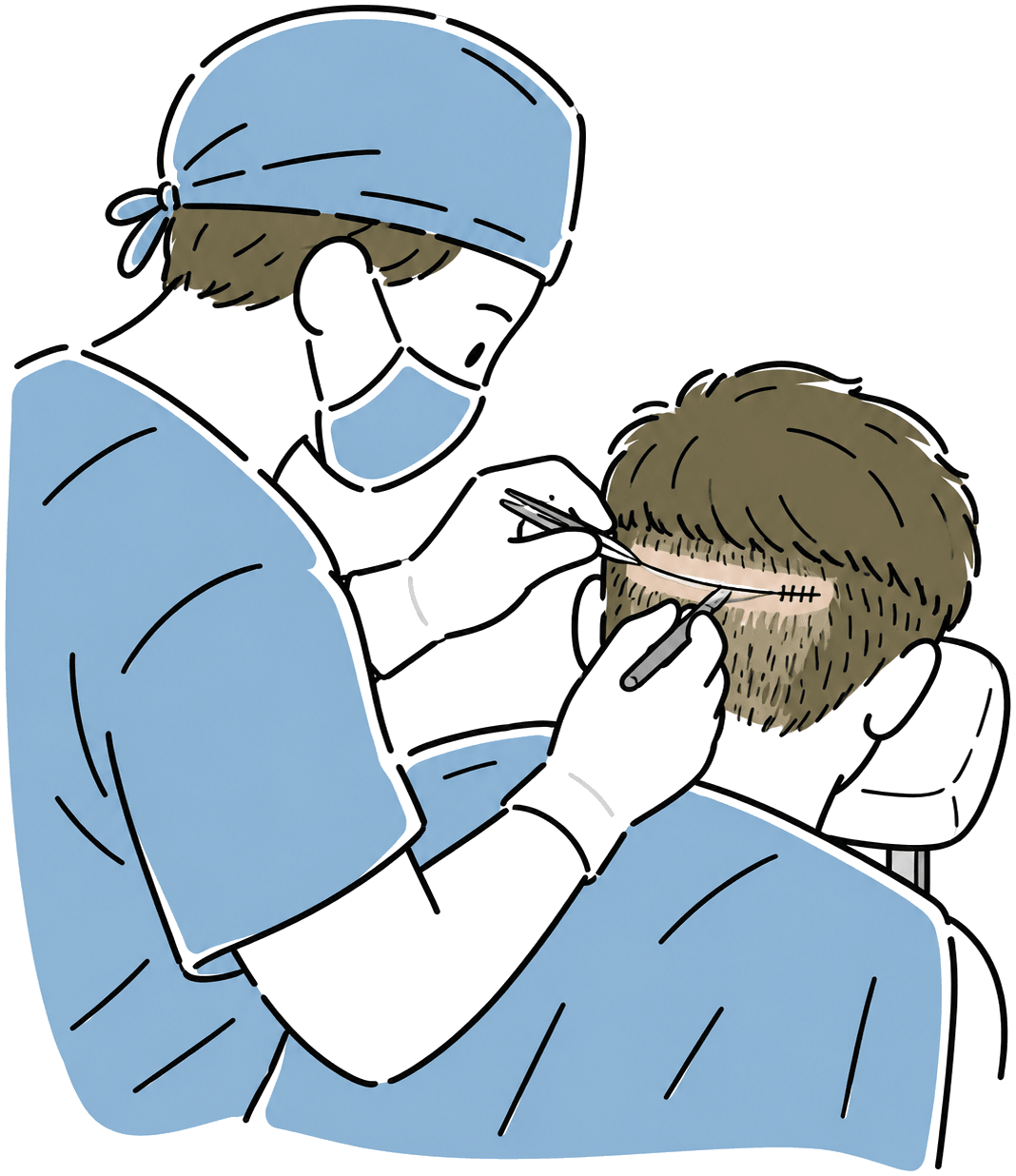
FUT stands for Follicular Unit Transplantation, also known as strip harvesting. Instead of removing follicles one by one, a narrow strip of hair-bearing skin is taken from the back of the scalp—an area selected for its relative resistance to pattern hair loss—and the donor site is closed with a fine suture line.
That strip is then dissected under a microscope into individual follicular units of one to four hairs. Working under magnification with the tissue intact means follicles can be separated cleanly, with the tissue and follicular structures visible under magnification.
FUT concentrates donor harvesting within a strip and leaves a linear scar. Whether it fits your goals depends on your scalp characteristics, donor supply, and hairstyle preferences. Dr. Nouhi explains these trade-offs alongside your FUE options.
How an FUT Procedure Works
A coordinated procedure with direct physician involvement. Dr. Nouhi personally plans your treatment, performs donor surgery, and creates recipient sites. Trained team members prepare and place grafts under his supervision.
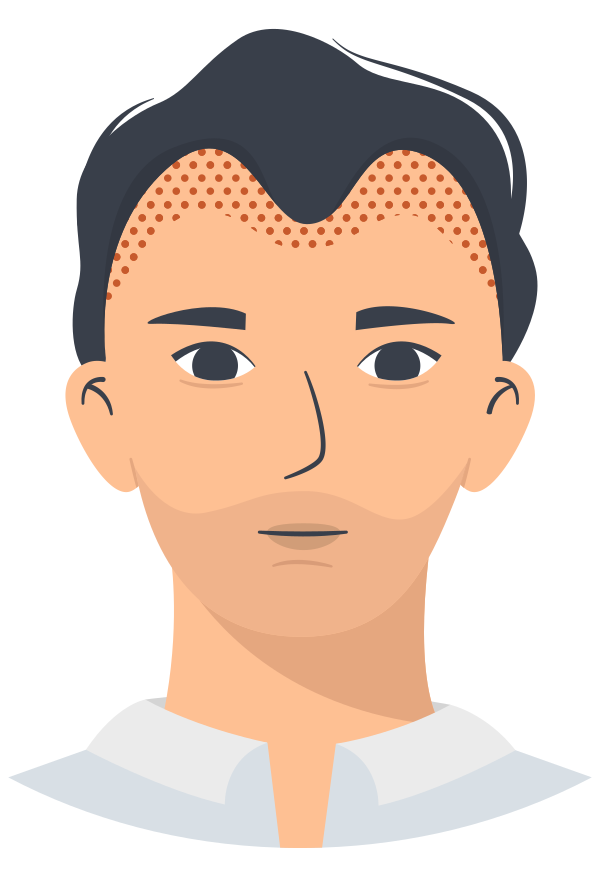
01 Design & Donor Assessment
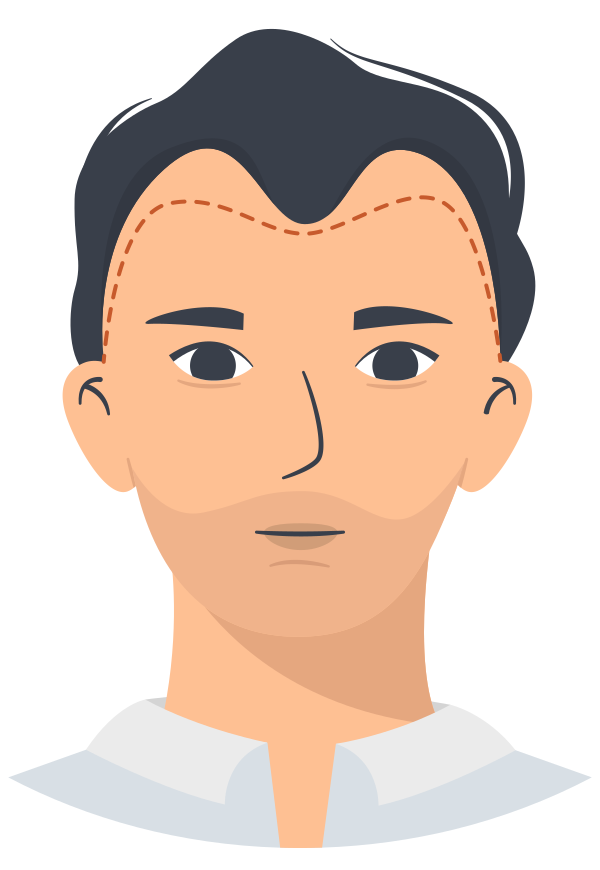
Your hairline is drawn by hand and confirmed with you in the mirror. Dr. Nouhi then measures donor density and scalp laxity to plan the strip dimensions and closure, taking donor capacity and wound tension into account.
02 Local Anesthesia
The donor and recipient areas are numbed with local anesthetic. You remain awake, with comfort monitored throughout and additional anesthetic provided when needed. Patients generally return home the same day. Only a narrow band of donor hair is trimmed; the rest of your hair is left alone.
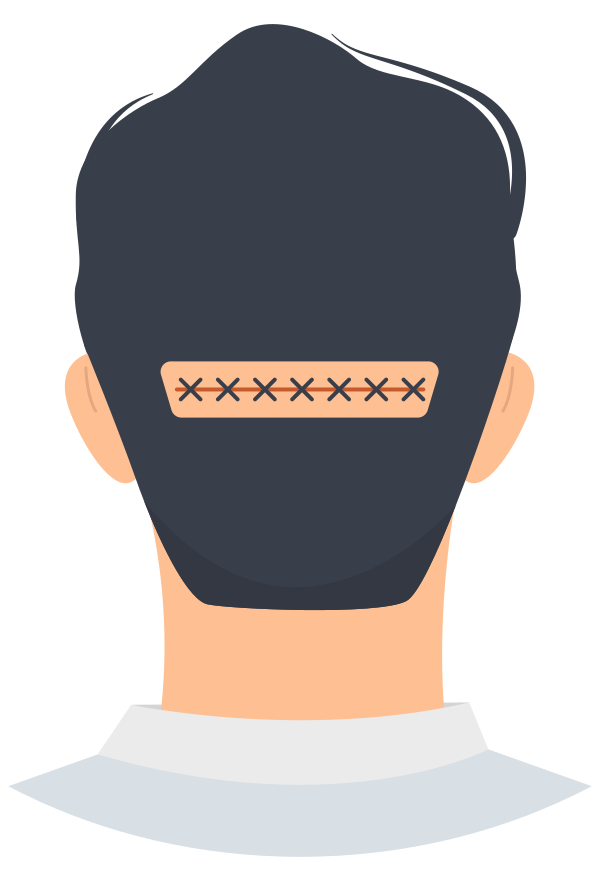
03 Strip Removal & Trichophytic Closure
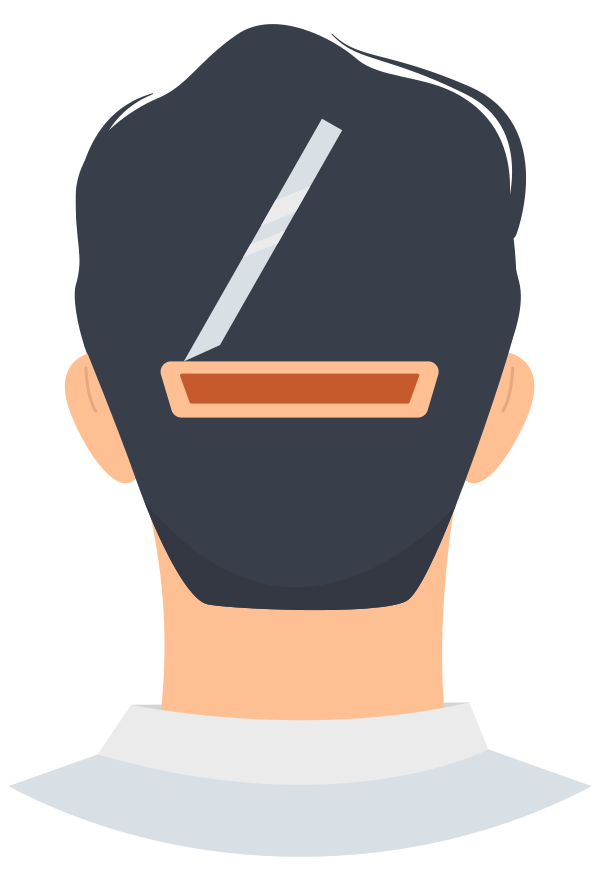
Dr. Nouhi removes the planned donor strip and closes the site. Where appropriate, a trichophytic closure may allow hairs to grow through portions of the scar and help camouflage it. Scar width and visibility still depend on individual healing.
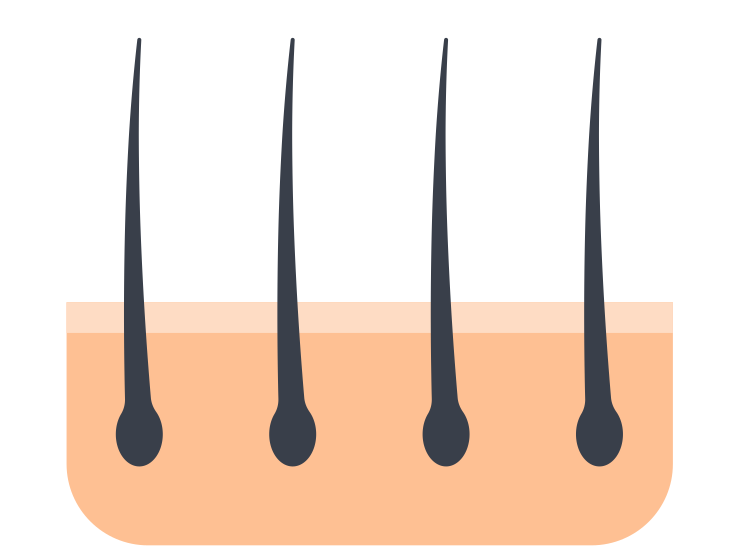
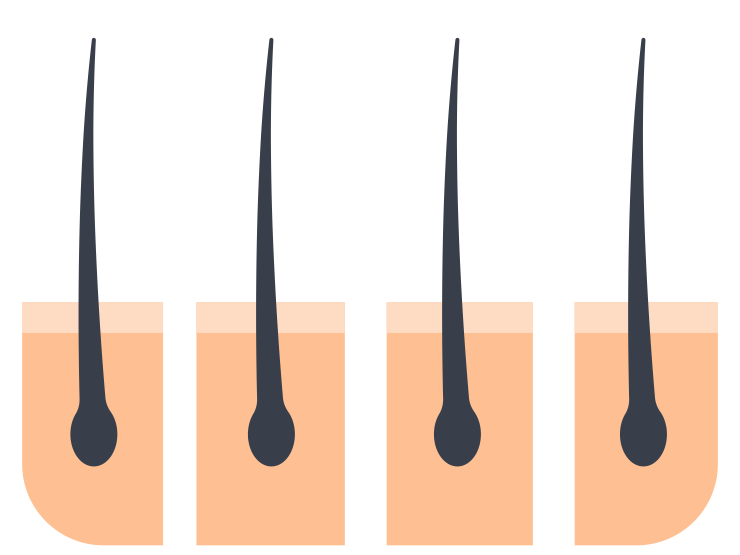
04 Microscopic Dissection & Sorting
The strip is dissected under microscopes into individual follicular units and sorted by hair count. Grafts are kept in chilled holding solution to maximise survival. Single-hair units are set aside for the hairline; multi-hair units are reserved for building density behind it.
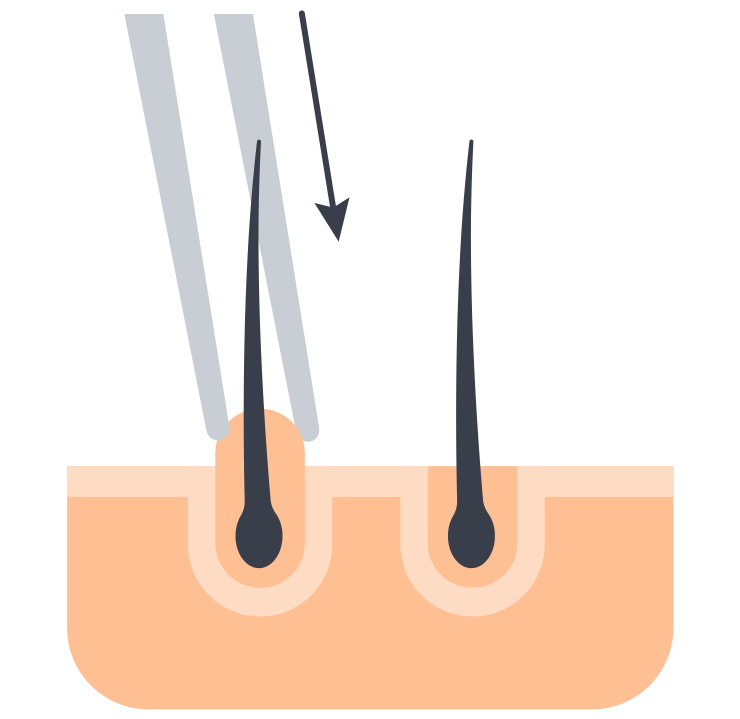
05 Site Creation & Graft Placement
Dr. Nouhi creates recipient sites with attention to angle, direction, and distribution. Trained team members assist with graft placement under his supervision, following the agreed hairline and coverage plan.

Your Hairline Takes Shape
New growth often begins around three to four months, with results generally assessed over twelve to eighteen months. Timing and density vary. See the recovery timeline
FUT or FUE?
The Honest Comparison
| Feature | FUT | FUE |
|---|---|---|
Harvesting Method | Thin strip, dissected under a microscope | Individual units, removed by punch |
Scarring | Linear scar; width and visibility vary | Small scattered scars; visibility varies |
Graft Yield Per Session | Depends on donor density, scalp laxity, and strip dimensions | Depends on donor density, extraction limits, and treatment plan |
Lifetime Donor Supply | Future options depend on remaining density, scalp laxity, and previous strip surgery | Future options depend on remaining density and previous extraction pattern |
Recovery | Donor closure requires wound care and sometimes suture or staple removal | Small extraction wounds; typically no donor sutures |
Donor Shaving | Donor strip usually trimmed | Donor trimming commonly required; extent varies |
Hair Length Afterwards | Longer hair may help conceal the scar; coverage varies | Shorter styles may be possible; very short styles can reveal scars or thinning |
Cost | $5 per graft | $5 per graft |
Why Patients Choose FUT
Microscopic Graft Preparation
The donor strip is dissected under magnification, allowing the team to inspect and prepare follicular units for their intended placement.
Planning for Substantial Coverage
FUT can provide a substantial number of grafts in suitable patients. The amount available depends on donor density, scalp laxity, and the tissue that can be safely harvested.
Usually No Full Head Shave
Only the planned donor strip generally needs trimming. Surrounding hair may help cover the area, while recipient-area trimming is discussed as part of your individual plan.
A Long-Term Donor Strategy
FUT may be incorporated into a plan for current and future coverage. Dr. Nouhi assesses how harvesting would affect your remaining donor supply and options for further treatment.

Let's Talk Honestly About the Scar
FUT leaves a linear scar across the donor area. Its width and visibility vary with scalp characteristics, closure tension, previous surgery, individual healing, and postoperative care.
Longer surrounding hair can help conceal the scar, but no particular clipper length guarantees coverage. Short or shaved styles are more likely to reveal it.
Dr. Nouhi discusses these trade-offs before treatment. If very short hairstyles are important to you, FUE may be worth considering, although it also leaves scars and can change donor density.
Consider FUE Instead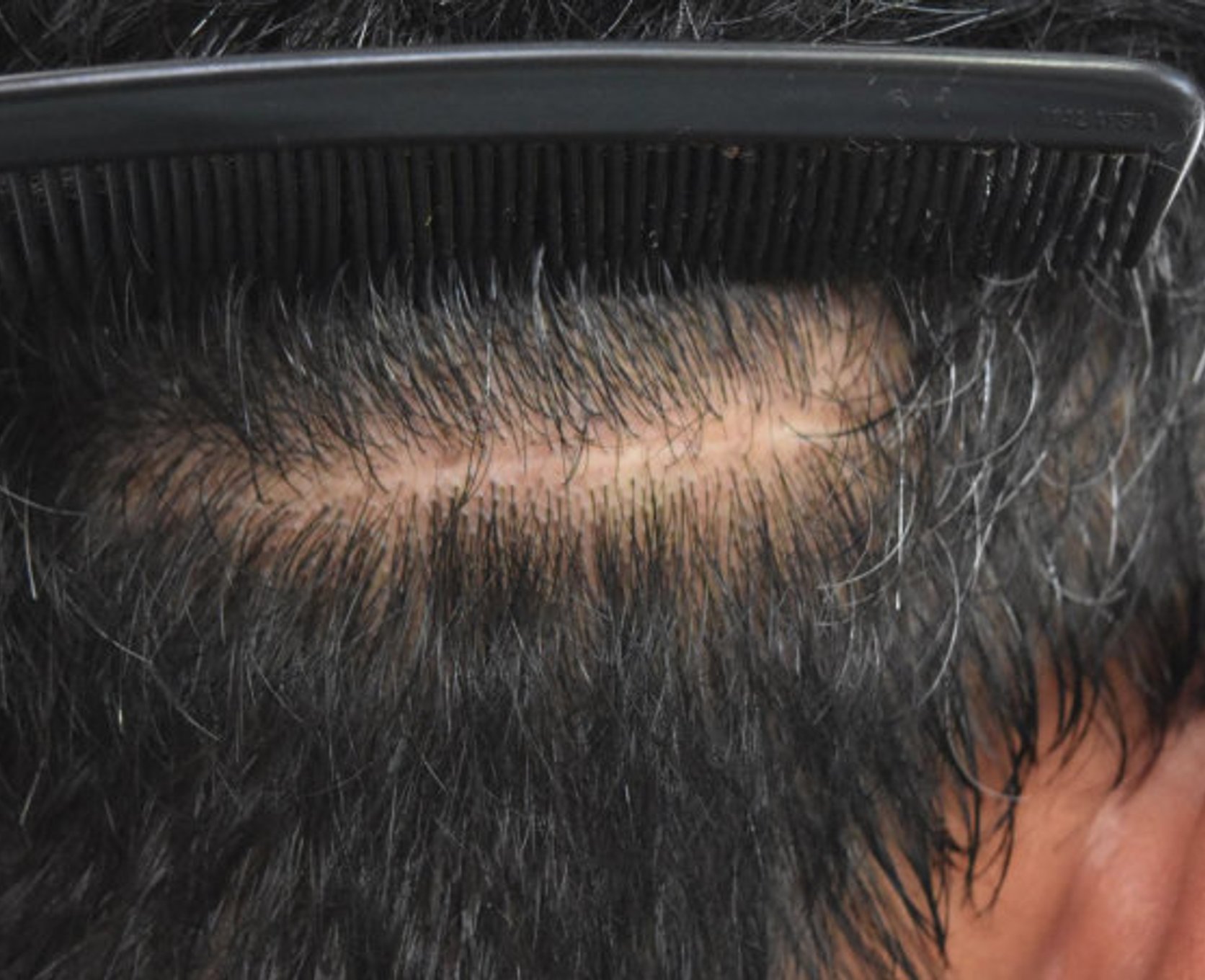
Your FUT Recovery Timeline
- Days 1–3 Rest at home
Donor Tightness & Swelling
The strip site feels tight and some swelling can settle toward the forehead. Rest with your head elevated and leave the grafts untouched.
- Days 4–7 Washing begins
Crusting & First Gentle Wash
Crusting is common around recipient sites. Washing and donor-wound care follow your postoperative plan. Visible signs of treatment can persist beyond the first week.
- Days 10–14 Clinic visit
Suture Removal in Vancouver
If non-dissolving sutures or staples are used, removal is commonly arranged during this period. Dr. Nouhi assesses the closure and adjusts follow-up according to your healing.
- Months 1–4 Resting
The Shedding Phase
Most transplanted hairs shed as the follicles rest. It is expected, and the follicles stay in place beneath the skin.
- Months 4–8 Growing
New Growth Appears
New hairs may emerge and gradually thicken. The timing and extent of growth vary.
- Months 12–18 Final result
Assessing Growth & Coverage
Coverage and texture are assessed as the result develops. The donor scar matures over time, but its final width and visibility cannot be guaranteed.
FUT Hair Transplant Cost in Vancouver
FUT costs $5 per graft, the same rate as FUE. You receive a written quote outlining your proposed treatment and included services before proceeding.
Your recommended graft count reflects your donor density, scalp laxity, coverage goals, and long-term plan. A 3,000-graft procedure costs $15,000. The number of procedures needed varies between patients.
Cosmetic FUT transplantation is privately paid and is not covered by MSP.
Meet With Dr. NouhiEstimate Your Cost
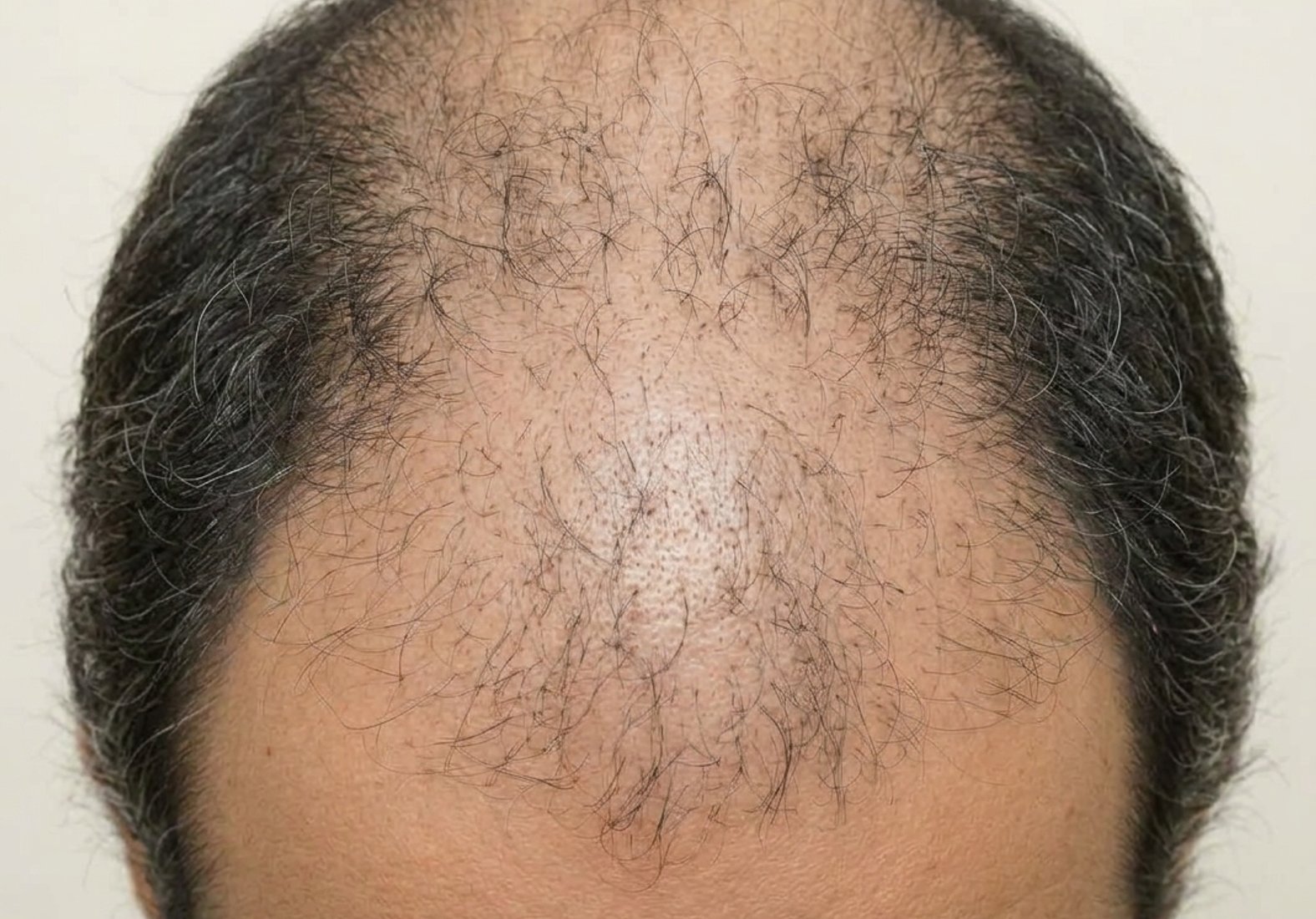
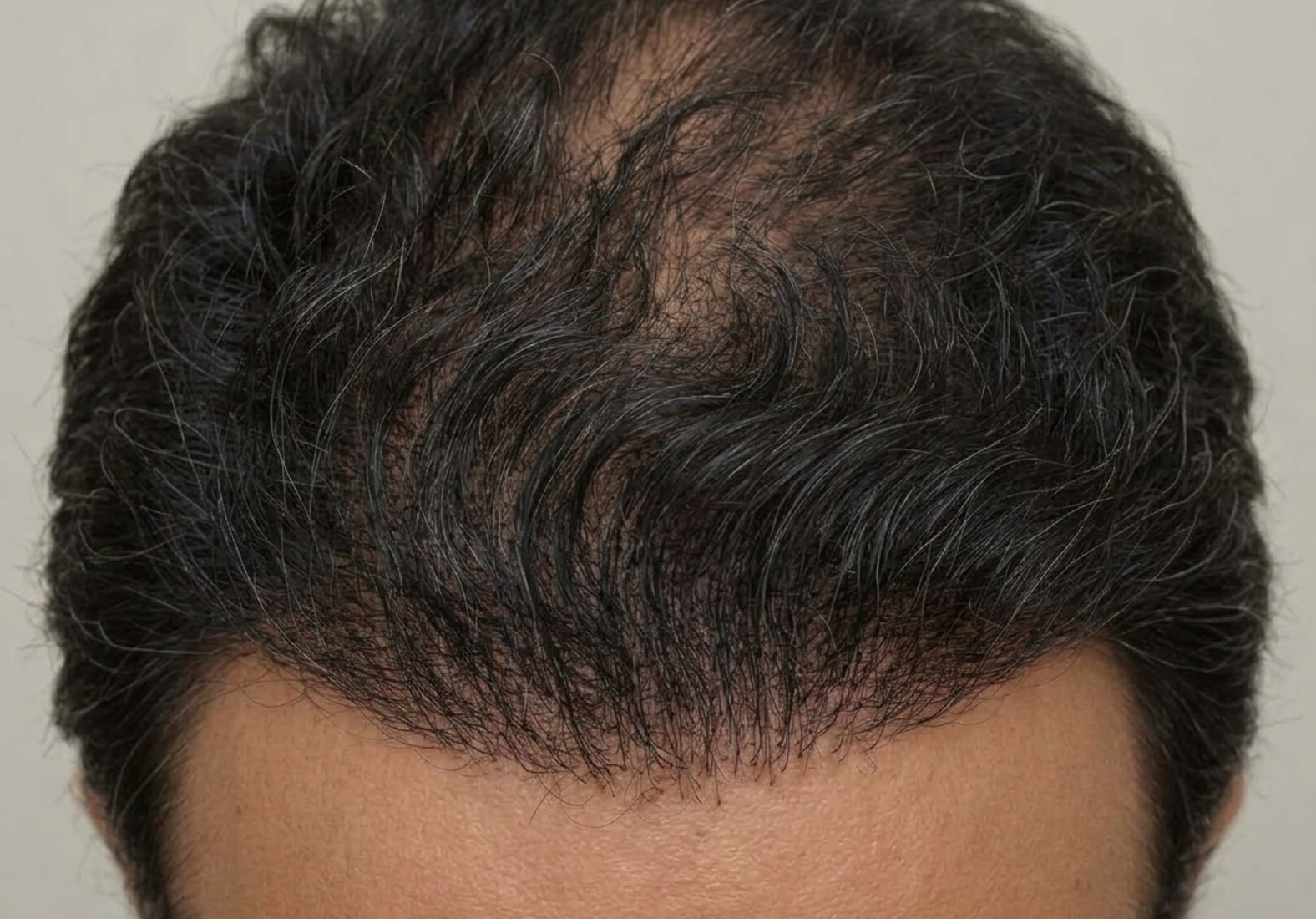
Illustrative example Norwood 4 hair loss
At $5 per graft. This is an estimate only. Hair-loss appearance alone does not determine your graft requirements. Your treatment recommendation and written quote follow an individual assessment.
FUT Hair Transplant FAQs
No. FUT remains an established option for appropriately selected patients. It allows follicular units to be prepared under magnification from a strip of donor tissue and may be useful when planning substantial coverage. Its main trade-off is a linear donor scar. Dr. Nouhi considers FUT alongside FUE based on your anatomy, donor supply, hairstyle preferences, and long-term treatment goals.
FUT may be suitable if you have adequate donor density and scalp laxity, want to address a larger area of hair loss, and are comfortable with a linear donor scar. It may also fit a longer-term plan involving more than one procedure. Dr. Nouhi considers your diagnosis, age, progression of hair loss, medical history, and hairstyle preferences before recommending surgery.
FUT leaves a linear scar in the donor area. Its width and visibility vary with scalp laxity, surgical planning, individual healing, and hair characteristics. Longer surrounding hair can help conceal it, but no particular hair length guarantees coverage. A trichophytic closure may help camouflage the scar in suitable cases. Dr. Nouhi discusses the possibility of a wider or more visible scar before you decide.
The number depends on your donor density, scalp laxity, the dimensions of tissue that can be safely removed, and the follicular units within that tissue. FUT can provide a substantial number of grafts in suitable patients, but there is no single figure that applies to everyone. Dr. Nouhi provides an estimate after assessment, with the final count determined during graft preparation.
FUT costs $5 per graft at our practice, the same rate as FUE. A 3,000-graft procedure costs $15,000. Your treatment plan and estimated cost depend on the coverage you would like to achieve and the donor tissue available. You receive a written quote before proceeding, including clarification of what is included. Cosmetic FUT transplantation is not covered by MSP.
A full head shave is generally unnecessary for FUT. A narrow section of donor hair is trimmed where the strip will be removed, and longer surrounding hair can often cover that area. Whether any recipient-area trimming is recommended depends on your procedure. Dr. Nouhi explains the preparation required and how it may affect your appearance during recovery.
Many patients plan approximately five to ten days away from work, depending on their procedure, healing, and job requirements. Donor tenderness, tightness, swelling, and recipient-area crusting can occur. If non-dissolving sutures or staples are used, removal is commonly arranged around ten to fourteen days. Exercise and activities that place tension on the scalp need a more gradual return, guided by your postoperative assessment.
What to Consider Before Deciding
Possible risks include bleeding, infection, wound-healing problems, a widened or visible scar, altered sensation, temporary shedding of existing hair, and limited or uneven graft growth. More than one procedure may be needed to pursue your goals. Your consultation includes discussion of risks and alternatives.